 0
0
 0
0
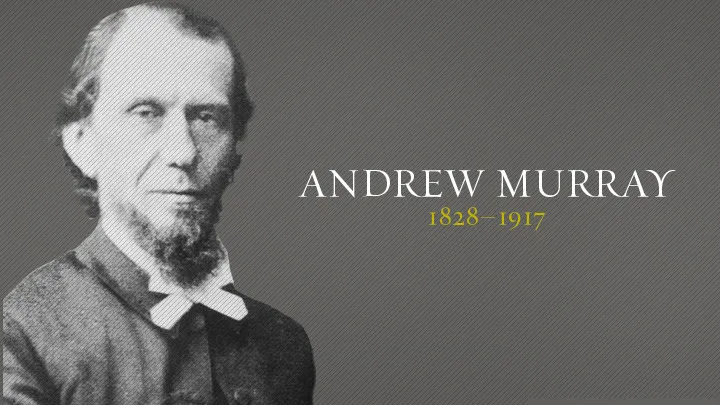
The 1860 revival in Worcester, South Africa, is a well-documented event in Christian history, closely associated with pastor Andrew Murray Jr. It began shortly after Murray’s induction as pastor of the Dutch Reformed Church in Worcester, coinciding with a ministerial conference focused on spiritual revival and missions.
On a Sunday evening in 1860, during a prayer meeting attended by about 60 young people in a small hall at the church, the gathering followed a standard format: a hymn, a Bible lesson, and sequential prayers from participants. After three or four people had contributed, a 15-year-old colored girl (described as being in domestic service with a nearby farmer) stood up from the back of the hall. She requested permission to propose a hymn verse, which was granted despite initial hesitation from the meeting’s leader, J.C. de Vries (Murray’s associate). She then prayed in deeply moving tones.
As she prayed, a mysterious sound began in the distance, growing louder until it seemed to shake the hall. This triggered an outpouring where the entire group began praying aloud simultaneously, creating a deafening noise. De Vries later recalled: “A feeling, which I cannot describe, took possession of me…”
Murray, who was preaching elsewhere in the church at the time, was summoned by an elder. Upon entering, he attempted to restore order, calling out “People, silence!” and “People, I am your minister, sent from God! Silence!” When that failed, he instructed de Vries to lead a hymn starting with “Aid the soul that helpless cries,” but the fervent praying continued unabated. Frustrated, Murray declared, “God is a God of order, and here everything is confusion!” and left the hall.
This incident marked the ignition of the revival. Spontaneous prayer meetings erupted every evening thereafter, often starting quietly but erupting into collective, audible prayer after a few contributions. These sessions sometimes lasted until 3 a.m., with participants singing joyfully in the streets as they departed. The revival quickly spread beyond Worcester, affecting rural farms and isolated areas, impacting people of all ages, social classes, races (including Black and White communities), and economic statuses. Intense convictions led to public cries of anguish, fainting, and profound spiritual transformations.
Initially skeptical of the emotional manifestations, Murray tried to suppress them to maintain order. However, during a subsequent meeting, a stranger who had just arrived from America (where similar revivals had occurred) advised him: “Be careful what you do, for it is the Spirit of God that is at work here. I have just come from America, and this is precisely what I witnessed there.” This encounter prompted Murray to cease interference and fully embrace the movement as divine.
The girl’s identity remains anonymous in historical accounts, but her simple act of prayer is credited with sparking the revival, which ultimately influenced much of South Africa and shaped Murray’s later ministry and writings on prayer and the Holy Spirit